
Girls’ night board games demand strategic consideration of mechanics, player count, and engagement levels. Word association games like Codenames require team coordination and linguistic precision. Route-building titles such as Ticket to Ride emphasize spatial planning. Trading engines like Splendor introduce resource management complexity. Territory control games present competitive dynamics. Yet selecting the best combination of these elements—balancing competition with connection—remains the vital question.
Key Takeaways
- Games like Wavelength and Codenames promote team communication and understanding of how teammates conceptualize abstract ideas.
- Bluffing games such as Chameleon and Sounds Fishy create dynamic social interaction through accusation and strategic deception mechanics.
- Quick-learning titles like Tsuro and Last Word minimize setup time, allowing spontaneous play without lengthy rule explanations.
- Cooperative and competitive gameplay balance encourages collaboration while maintaining friendly competition that strengthens group bonds.
- Psychology-focused games reveal diverse perspectives and build trust by encouraging players to share unexpected personal viewpoints.
Best Girls Night Games
When selecting games for girls’ night, strategic and social titles create ideal engagement. The best options balance accessibility with depth, demanding players think critically while maintaining enjoyable team bonding.
- Bluffing-strategy hybrids like Chameleon and Card vs Gravity demand tactical decision-making, where players read opponents and execute calculated moves. These mechanics fuel fun competition while rewarding strategic thinking.
- Social deduction games such as Sounds Fishy rely on psychological gameplay and quick assessment, keeping the atmosphere dynamic and unpredictable through accusation and defense mechanics.
- Quick-learning titles including Calliope Tsuro and Last Word minimize setup friction, allowing immediate play without lengthy rule explanations—essential for groups prioritizing spontaneous entertainment.


These categories collectively offer accessible rule structures with competitive depth, ensuring players control their experience while enjoying meaningful strategic interaction.
Codenames: Strategic Word Association
| Element | Strategy |
|---|---|
| Word Clue Strategies | Spymasters balance specificity with breadth, linking multiple targets through creative associations |
| Team Dynamics | Collective reasoning shapes guess selections; stronger communication yields faster agent identification |
| Risk Management | Teams navigate opponent agents and the assassin, requiring cautious deliberation |
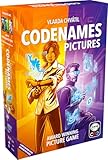
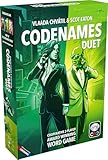
The game’s 400+ word library guarantees perpetual novelty across sessions. Team dynamics intensify as players debate clue meanings, encouraging collaborative problem-solving. Codenames transforms casual gatherings into intellectually engaging competitions where linguistic ingenuity and strategic communication determine victory.

Ticket to Ride: Route Building
While Codenames emphasizes linguistic creativity, Ticket to Ride demands systematic resource management and territorial strategy. Players collect train cards to claim routes across regional maps, competing for ideal connections between cities. Success hinges on balancing aggressive route acquisition with defensive blocking tactics. The game accommodates 2-5 players in 30-60 minutes, making it ideal for girls’ night gatherings.
Route strategy emerges as players plan efficient networks and anticipate opponents’ moves. Player interaction intensifies when competitors contest valuable routes, forcing tactical pivots and strategic compromises. The streamlined ruleset guarantees accessibility for newcomers while offering depth for experienced gamers seeking meaningful decisions.
Multiple expansions provide map variations—from domestic networks to international routes—enhancing replayability and preventing predictable patterns. This flexibility allows groups to customize their experience, guaranteeing each session delivers fresh strategic challenges and engaging competitive dynamics.
Splendor: Gem Trading Engine
Splendor transforms players into Renaissance merchants competing to build the most prestigious gem-trading empire through strategic resource accumulation and card acquisition. Players collect colored gem tokens to purchase development cards that generate points and additional resources for subsequent acquisitions. The gem strategy demands careful planning, as players must balance immediate gains against long-term positioning. A distinguishing mechanic—noble tiles—reward players with bonus points for specific card combinations, incentivizing deliberate purchasing patterns. With straightforward rules enabling rapid learning, Splendor accommodates newcomers and experienced strategists alike. Games conclude within thirty minutes, maximizing engagement without excessive time commitment. This excellent blend of accessibility and strategic depth makes Splendor an ideal choice for girls’ night gatherings, offering meaningful competition without complexity.
Catan: Strategic Territory Control
Catan challenges three to four players (expandable to six with an expansion) to establish dominance on a resource-rich island through strategic settlement placement, city development, and road construction. Success depends on mastering resource management and strategic negotiation with opponents. Players roll two dice each turn to determine resource production—wood, brick, and wheat—introducing calculated risk alongside deliberate planning. Trading becomes crucial; negotiating favorable exchanges with competitors distinguishes skilled players from novices. The game’s 60 to 120-minute runtime accommodates extended play sessions where strategy deepens. Victory requires balancing aggressive expansion with diplomatic maneuvering, creating dynamic social interaction. Catan’s mechanics reward both tactical decision-making and interpersonal influence, making it ideal for players seeking games where independence and cunning determine outcomes.
Ticket to Ride: Route Building
Ticket to Ride by Days of Wonder

Ticket to Ride accommodates two to five players in a route-building competition where success hinges on claiming railway connections between cities across regional maps. Players deploy train cards strategically to secure routes, earning points for completed city connections while blocking opponents’ expansion plans. The route strategy layer demands tactical foresight—claiming high-value routes early while maintaining flexibility for alternative paths proves crucial. Game sessions run 30 to 60 minutes, permitting multiple competitive rounds without exhausting players’ attention spans. Multiple map variations, spanning Europe and Asia, guarantee replayability and strategic depth. The medium complexity level welcomes newcomers while rewarding experienced players who master route optimization and card management. This balance between accessibility and strategic engagement makes Ticket to Ride ideal for girls’ night gatherings seeking engaging, competitive gameplay.
Wavelength: Cooperative Communication Game
For players seeking a cooperative experience that prioritizes communication over competition, Wavelength accommodates two to twelve participants in a guessing game centered on spectrum-based clue interpretation. Teams designate clue-givers who must navigate opposing endpoints—such as hot versus cold or happy versus sad—to guide teammates toward a hidden target positioned along a spectrum dial.
Success depends entirely on team dynamics and clue creativity. Clue-givers strategically craft statements that challenge conventional thinking, forcing teammates to reconsider categorical boundaries. The tactile sliding dial mechanism heightens engagement while maintaining focus.
Gameplay sessions conclude within thirty to forty-five minutes, eliminating extended commitment demands. This cooperative framework eliminates cutthroat elimination mechanics, encouraging collaborative problem-solving and spirited discussion. Wavelength delivers substantive strategic depth through communication, making it an excellent choice for groups prioritizing meaningful interaction over traditional competitive structures.
Wavelength: Mind-Reading Party Game
While Wavelength’s cooperative framework emphasizes team-based problem-solving, the mind-reading variant introduces a social deduction element that transforms the experience into a party-centric guessing game. Players position markers along diverse spectrums—from “hot to cold” to “happy to sad”—based on clue interpretation from teammates. The mind-reading mechanics demand strategic communication; clue-givers must craft vague yet penetrating hints that steer others toward their intended placement without explicit direction.
Spectrum guessing creates dynamic tension as teams debate positioning logic. The game accommodates 2-12 players, scaling effortlessly across group sizes. Its colorful board design amplifies engagement through thematic visual elements. Victory hinges on psychological accuracy—understanding how teammates conceptualize abstract scales. This variant excels at girls’ night gatherings, generating authentic laughter and revealing unexpected perspectives on how individuals perceive shared concepts and relationships between opposing ideas.
